
How to Use CruiseCast Before Your Next Sailing
If you’re new to CruiseCast, here’s a quick walkthrough of how the app is meant to fit into your cruise planning, from the moment you

Not every port day is the same, even at the exact same destination. Arrive on a day when your ship is the only one in port, and you might stroll off the gangway into short lines and open tables. Arrive on a day when three or four ships are docked at once, and that same port can feel like an entirely different place.
A port crowd calendar (or crowd monitor) looks at how many ships—and roughly how many passengers—are expected in a given port on a given day. It's not a measure of the destination itself; it's a measure of demand on that specific date. The same port can range from quiet to genuinely packed depending on the cruise schedules that happen to overlap.
Keep in mind: port schedules and passenger estimates can change. Crowd information is a planning guide, not a guarantee—treat it as one more input alongside your own research, not the final word.
Most travelers don't think to check ship traffic before a port day, simply because it isn't something a general weather or travel app surfaces. CruiseCast's Port Crowd Monitor adds that context directly into your itinerary view, so you can see expected ship and passenger activity for each stop alongside your weather insights—one more way to plan around the day you'll actually have, not just the destination on paper.
Find your cruise in CruiseCast and see your itinerary day by day.

If you’re new to CruiseCast, here’s a quick walkthrough of how the app is meant to fit into your cruise planning, from the moment you

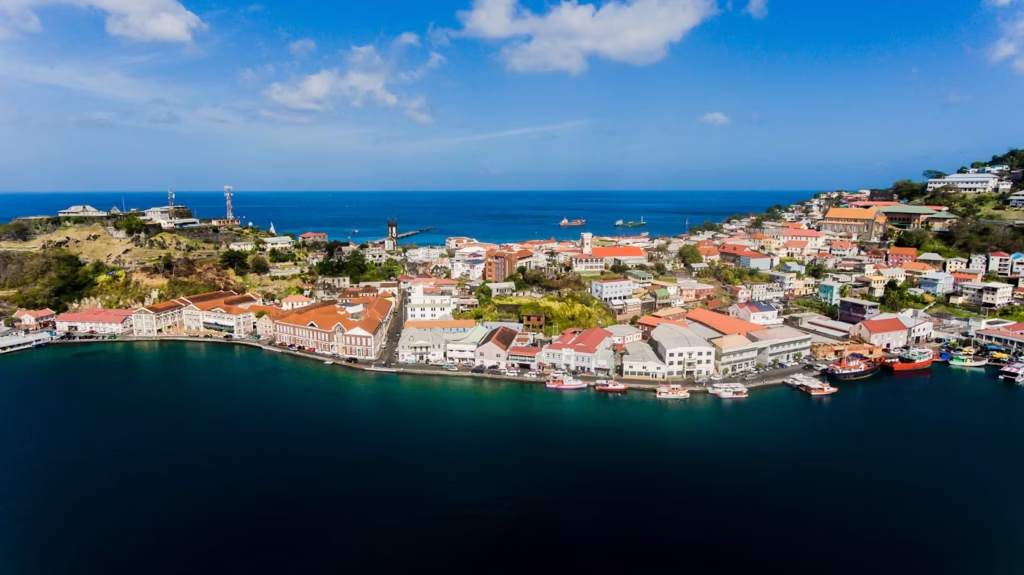
At almost every port, cruisers face some version of the same decision: book an excursion through the cruise line, arrange an independent tour, or explore
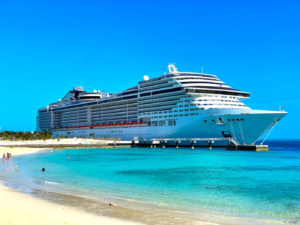
Port days get most of the attention when travelers think about cruise weather—understandably, since that’s when you’re off the ship and out in a destination.